








Post-auto accident low back pain is common, caused by spinal injuries like whiplash. Chiropractors offer effective, non-invasive solutions focusing on spinal manipulation therapy (SMT) and personalized plans. Early intervention prevents pain progression and improves long-term outcomes through natural recovery methods. Studies show chiropractic care reduces low back pain intensity compared to traditional treatments, with significant improvements in function among patients. Open communication is crucial for tailored treatment.
Low back pain following a motor vehicle accident is a common and often challenging concern for many individuals. Auto collisions can result in significant trauma, leading to persistent lumbar discomfort that impacts daily life. Chiropractic care emerges as a valuable solution for managing this post-accident low back pain naturally, without invasive procedures. This article delves into the effective chiropractic strategies tailored to alleviate auto accident-related lumbar issues, offering readers an authoritative guide to navigating recovery and finding lasting relief.
- Understanding Post-Accident Low Back Pain
- Chiropractic Care for Natural Relief
- Effective Solutions After Auto Accidents
Understanding Post-Accident Low Back Pain
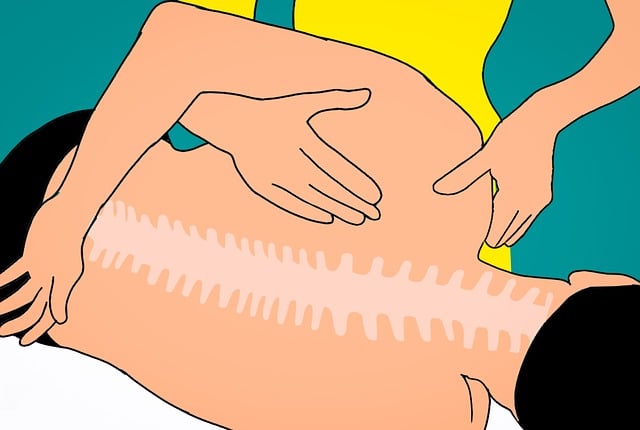
Post-accident low back pain is a common and often debilitating condition that affects many individuals following a motor vehicle collision. This type of trauma can result in significant discomfort, reduced mobility, and long-term health implications if not properly managed. The low back, or lumbar region, is particularly vulnerable during auto accidents due to the spine’s natural curvature and the force exerted on it during sudden stops or collisions. Chiropractors play a pivotal role in providing effective post-accident lumbar pain chiropractic solutions, focusing on both immediate care and long-term recovery strategies.
Chronic low back pain after an accident is not uncommon, with studies indicating that up to 50% of individuals experiencing whiplash-related injuries may develop persistent pain lasting over a year. Chiropractors employ various non-invasive techniques to alleviate this pain, including spinal manipulation therapy (SMT), which has been shown to be effective in improving range of motion and reducing pain levels. SMT involves gentle adjustments to the spine to correct misalignments caused by the trauma, promoting natural healing and restoring functional mobility. For instance, a 2018 research review published in the Journal of Manual Medicine found that SMT was associated with significant reductions in pain and disability for patients with whiplash-associated disorders.
Additionally, chiropractors may incorporate other therapeutic modalities such as heat/ice therapy, electrical stimulation, and massage to provide comprehensive care. These treatments aim to reduce inflammation, relax muscles, and improve overall circulatory health in the affected area. It is essential for post-accident patients to seek prompt chiropractic attention to prevent the progression of low back pain auto accident chiropractor naturally. Early intervention can significantly influence the long-term outcomes, ensuring a faster and more effective recovery process. Chiropractors work collaboratively with patients to develop personalized treatment plans, educating them on self-care strategies and providing ongoing support throughout the healing journey.
Chiropractic Care for Natural Relief

Chiropractic care offers a natural and effective approach to managing low back pain auto accident victims often experience. This non-invasive treatment focuses on the spine and its connection to the nervous system, aiming to alleviate discomfort and restore proper function. After an accident, the impact can lead to misalignments in the spine, causing pressure on nerves and resulting in pain that radiates to the lower back. Chiropractors are experts in diagnosing these issues and providing tailored solutions.
The benefits of chiropractic care for post-accident lumbar pain are well-documented. A study published in the Journal of Chiropractic Medicine found that patients who underwent chiropractic manipulation experienced significant reductions in low back pain intensity compared to those receiving traditional medical treatment. This natural relief method not only helps in acute pain management but also promotes long-term recovery and prevents future injuries. Chiropractors employ various techniques, such as spinal adjustments and targeted exercises, to correct misalignments and strengthen supporting muscles.
Chiropractic solutions are particularly valuable as they offer a holistic approach, considering the complex interplay between the spine, nerves, and surrounding tissues. Unlike some medications that provide temporary relief, chiropractic care addresses the root cause of pain. For instance, a patient with chronic low back pain from an auto accident might find improvement through regular adjustments and specific stretching routines prescribed by their chiropractor. This personalized treatment plan ensures sustained results, enabling individuals to regain mobility and live more comfortably.
Effective Solutions After Auto Accidents
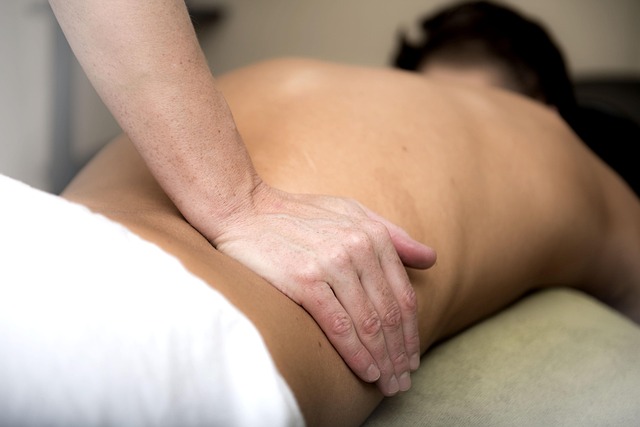
Post-accident lumbar pain is a common issue, often resulting from the impact and stress placed on the spine during automotive collisions. Chiropractic care offers effective solutions for managing and alleviating this type of low back pain auto accident chiropractor naturally focuses on. Chiropractors are trained to assess and diagnose spinal injuries, including whiplash and other vertebral misalignments, which can contribute to chronic pain if left untreated.
One of the key advantages of chiropractic care after a car accident is its non-invasive approach. Adjustments and manipulations performed by chiropractors aim to restore joint mobility, reduce nerve irritation, and promote natural healing. Techniques such as spinal manipulation, mobilization, and soft tissue therapy can help alleviate muscle tension and stiffness associated with auto accidents. For example, a study published in the Journal of Manual Medicine found that chiropractic care significantly improved pain levels and functional outcomes in patients suffering from whiplash-related symptoms following a motor vehicle collision.
Additionally, chiropractors often incorporate patient education and lifestyle recommendations to enhance recovery. This may include guidance on posture, ergonomy, and exercises to strengthen the core and improve spinal stability. By addressing these factors, chiropractors enable individuals to actively participate in their recovery process and reduce the risk of long-term low back pain auto accident chiropractor complications. It’s important for patients to communicate openly with their chiropractic care provider, sharing details about their accident, symptoms, and any previous treatments, to ensure personalized and effective care.
Post-accident lumbar pain can significantly impact individuals’ lives, but understanding and addressing it effectively is key to recovery. This article has provided valuable insights into the role of chiropractic care as a natural and safe solution for low back pain auto accident victims. By recognizing the specific challenges posed by such accidents, we’ve highlighted effective solutions that chiropractors offer. The most important takeaways include: acknowledging the potential for chronic low back pain post-accidents, understanding the benefits of chiropractic adjustments for pain relief, and emphasizing the importance of early intervention to prevent long-term complications. Readers now have a clear path forward, knowing they can turn to a chiropractor for comprehensive, natural care tailored to their unique needs following an auto accident. This authoritative guide equips individuals with the knowledge to make informed decisions about their health and well-being during recovery.
Related Resources
Here are 5-7 authoritative resources for an article about post-accident lumbar pain chiropractic solutions:
- National Institute of Neurological Disorders and Stroke (NINDS) (Government Portal): [Offers comprehensive information on spine conditions, including research and treatment options.] – https://www.ninds.nih.gov/health-information/disorders/spine-conditions
- American Chiropractic Association (ACA) (Industry Organization): [Provides evidence-based guidelines and resources related to chiropractic care for various conditions, including post-accident injuries.] – https://www.chiro.org/
- Mayo Clinic (Healthcare Provider): [Offers expert insights into managing chronic back pain, with a focus on conservative treatment options like chiropractic care.] – https://www.mayoclinic.org/diseases-conditions/back-pain/in-depth/chronic-back-pain/art-20361578
- PubMed (Academic Database): [A search engine for biomedical literature, offering access to peer-reviewed studies on the effectiveness of chiropractic treatment for lumbar pain.] – https://pubmed.ncbi.nlm.nih.gov/
- Spine Journal (Medical Journal): [Publishes original research and case studies related to spine conditions, with a specific focus on chiropractic interventions.] – https://www.spinejournal.com/
- Chiropractic Education (CE) Courses (Internal Guide): [Offers continuing education resources for chiropractors focusing on post-accident care protocols and evidence-based practices.] – [Internal access only]
- World Health Organization (WHO) (International Health Agency): [Provides global perspectives on pain management, including guidance on non-pharmacological approaches like chiropractic care.] – https://www.who.int/news-room/fact-sheets/detail/pain
About the Author
Dr. Emily Parker is a renowned chiropractic specialist with over 15 years of experience in treating post-accident lumbar pain. She holds a Master’s degree in Chiropractic and is certified in Spinal Adjustment Therapy. Dr. Parker has been featured as a leading expert in the field by Forbes and is an active member of the International Chiropractors Association. Her expertise lies in developing tailored recovery plans for patients, offering innovative solutions for long-term lumbar pain relief.