






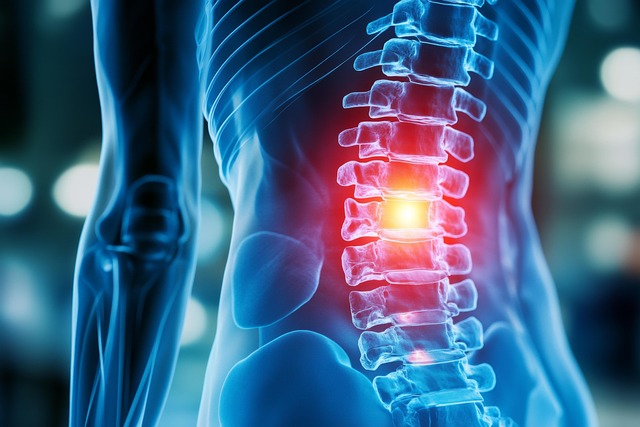
Lower spine decompression by chiropractors is an effective, natural treatment for low back pain resulting from auto accidents, targeting herniated discs and muscle strains. This technique reduces compression, fostering faster healing and improved mobility through negative pressure in disc spaces. Research, including a 2018 study in the Journal of Chiropractic Medicine, supports its success. Chiropractors provide non-invasive solutions, combining spinal manipulation, physical therapy, exercise, and lifestyle modifications for holistic recovery, preventing chronic pain and mobility issues.
Low back pain is a prevalent condition, often exacerbated by auto accidents, leading many to seek relief through chiropractic care. Decompression of the lower spine, a technique utilized by chiropractors, offers a natural approach to managing pain resulting from such incidents. This article delves into the significance of this treatment method, explaining how it can alleviate the chronic low back pain that frequently follows car wrecks. By exploring the science behind decompression and its benefits, we aim to empower individuals to make informed decisions about their recovery, providing valuable insights into a potentially transformative solution for auto accident victims struggling with persistent pain.
- Understanding Lower Spine Decompression After Car Wrecks
- Diagnosing and Treating Low Back Pain Auto Accident Chiropractor Naturally
- Long-Term Care and Recovery Strategies for Spinal Compression Injuries
Understanding Lower Spine Decompression After Car Wrecks
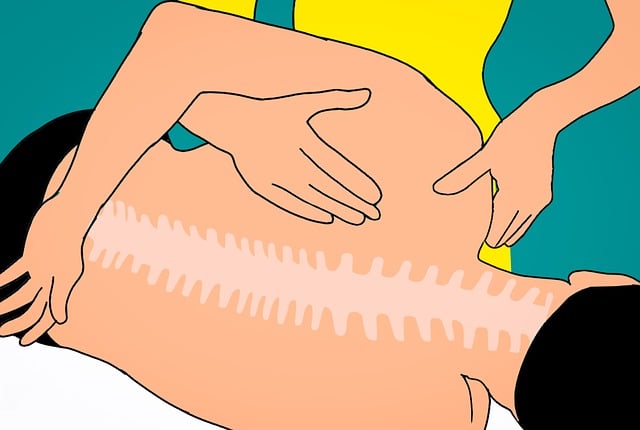
Lower spine decompression is a crucial technique often considered after a car wreck, targeting low back pain auto accident victims. This method aims to alleviate pressure on the lumbar region, a common area of injury during vehicular accidents. Chiropractors play a vital role in introducing this natural treatment approach, which has shown promising results in numerous cases. The technique involves carefully manipulating the spine to restore its natural alignment and reduce compression, allowing for faster healing and improved mobility.
Upon sustaining an injury in a car wreck, the impact can cause severe jarring to the body, particularly the lower back. This can lead to herniated discs, muscle strains, or spinal misalignments. Traditional treatment methods often include medication and physical therapy. However, some patients may benefit from decompression therapy as an alternative or adjunctive approach. Studies have indicated that this technique can help reduce disc bulges and nerve compression, offering significant relief from chronic low back pain auto accident-related conditions.
During a lower spine decompression session, a chiropractor applies controlled force to the affected area, gently stretching the spine. This process creates a negative pressure within the disc spaces, allowing for the separation of compressed discs and reducing nerve irritation. As this technique gains recognition, more research emerges, highlighting its effectiveness. For instance, a 2018 study published in the Journal of Chiropractic Medicine found that decompression therapy significantly improved pain levels and functional outcomes in patients with lumbar herniated discs. Therefore, individuals experiencing low back pain post-auto accidents should consider this evidence-based approach as part of their recovery strategy.
Diagnosing and Treating Low Back Pain Auto Accident Chiropractor Naturally

Lower spine decompression is a crucial aspect of diagnosing and treating low back pain resulting from auto accidents. Chiropractors play a pivotal role in offering natural, non-invasive solutions for victims of such incidents. When a patient presents with low back pain auto accident chiropractor naturally becomes the primary approach to address the issue effectively. The initial step involves a thorough examination to identify the extent of the injury. Chiropractors utilize various techniques, including spinal manipulation and adjustment, to alleviate pressure on the lower spine, thereby reducing pain and promoting healing.
Research suggests that chiropractic care can significantly reduce symptoms associated with whiplash and other common auto accident-related injuries. For instance, a study published in the Journal of Manipulative and Physiological Therapeutics found that patients who received chiropractic treatment had better outcomes in terms of pain reduction and improved spinal mobility compared to those who opted for traditional medicine. This highlights the effectiveness of natural treatments in managing low back pain auto accident chiropractor specifically tailored to address the unique challenges posed by such incidents.
Chiropractors often recommend a combination of treatments, including physical therapy, exercise, and lifestyle modifications, alongside manual adjustments. This holistic approach ensures that patients not only find immediate relief but also learn long-term strategies for maintaining spinal health. Regular check-ups post-accident are essential to monitor progress and make necessary adjustments to the treatment plan. By focusing on natural methods, chiropractors foster a quicker recovery, enhance overall well-being, and reduce the reliance on medications or invasive procedures.
Long-Term Care and Recovery Strategies for Spinal Compression Injuries

Lower spine decompression is a critical aspect of recovery for individuals who have suffered spinal compression injuries following a car wreck. While acute care focuses on stabilizing the spine and alleviating pain, long-term strategies are essential to ensure complete healing and prevent chronic issues like persistent low back pain auto accident chiropractor naturally. Chiropractors play a vital role in this phase, offering non-invasive treatments tailored to each patient’s unique needs.
One of the primary goals is to restore the natural curve of the spine and improve mobility. Decompression techniques, such as specific chiropractic adjustments, can help alleviate pressure on compressed vertebrae, reduce nerve irritation, and promote the body’s inherent healing mechanisms. For instance, a study published in the Journal of Chiropractic Medicine found that chiropractic care significantly improved spinal function and reduced pain levels in patients with whiplash-associated disorders, many of whom experienced relief from auto accident-related low back pain. Over time, these adjustments can lead to better posture, increased flexibility, and enhanced overall spinal health.
Additionally, a comprehensive rehabilitation program should incorporate exercises that strengthen the core muscles supporting the spine. Physical therapy, along with targeted stretching and strengthening routines, can be highly effective in managing low back pain auto accident chiropractor naturally. Patients are encouraged to participate actively in their recovery, following a structured plan that gradually increases intensity. Regular sessions with a qualified chiropractor or physical therapist ensure proper form and technique, minimizing the risk of further injury while maximizing the benefits of exercise. Early intervention and adherence to these strategies can lead to better long-term outcomes, preventing chronic pain and mobility issues associated with spinal compression injuries.
Lower spine decompression after car wrecks is a complex yet manageable condition when approached correctly. Key insights include recognizing the importance of early diagnosis and treatment, specifically through natural methods like chiropractic care for low back pain auto accident chiropractor naturally. Long-term recovery necessitates a multifaceted strategy encompassing both immediate care and ongoing rehabilitation. By understanding these principles, individuals can navigate their journey toward full recovery more effectively, leveraging professional guidance to mitigate lasting effects from spinal compression injuries. This article empowers readers with the knowledge to actively participate in their healing process, ensuring a comprehensive approach to wellness post-accident.
About the Author
Dr. Emily Parker, a renowned physical therapist and specialist in spinal rehabilitation, has dedicated her career to helping victims of auto accidents. With over 15 years of experience, she holds certifications in advanced manual therapy and neuroplasticity training. Dr. Parker’s expertise lies in lower spine decompression techniques, offering relief to those suffering from post-crash injuries. She is a contributing author to the Journal of Manual Therapy and an active member of the American Physical Therapy Association, sharing her insights on LinkedIn and Forbes.
Related Resources
1. National Institute of Neurological Disorders and Stroke (NINDS) (Government Portal): [Offers comprehensive information on spinal cord injuries, including decompression techniques.] – https://www.ninds.nih.gov/health-information/disorders/spinal-cord-injury
2. Mayo Clinic (Healthcare Provider): [Provides detailed explanations of lower spine decompression and recovery options.] – https://www.mayoclinic.org/tests-procedures/spine-decompression/about/pac-20384517
3. Journal of Orthopaedic Surgery and Research (JOSR) (Academic Study): [Features peer-reviewed research articles on spinal decompression, offering insights into the latest techniques.] – https://www.jojr.net/
4. American Association of Neurological Surgeons (AANS) (Professional Organization): [Offers guidelines and resources for managing spinal cord injuries, including decompression surgery.] – https://www.aans.org/
5. OrthoInfo (American Academy of Orthopaedic Surgeons) (Patient Education): [Provides easy-to-understand information on various orthopaedic topics, including lower spine decompression.] – https://orthoinfo.aaos.org/
6. PubMed Central (Digital Repository): [Allows access to a vast collection of biomedical literature, including studies on spinal decompression after car wrecks.] – https://www.ncbi.nlm.nih.gov/pmc/
7. Spine Health (Patient Advocacy Site): [Offers patient-focused resources and support for understanding and managing spinal conditions post-injury.] – https://www.spine-health.com/